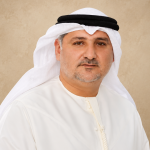
Shitij Kapoor MD & CEO, Luxury Concierge Real Estate
- Podcast
- Binesh: Let’s go back in time—what were you up to before 2010?
- Binesh: What was your initial experience with Dubai like?
- Binesh: Was that when you shifted gears into real estate brokerage?
- Binesh: What made Dubai real estate so resilient?
- Binesh: How did you transition from just investing to founding your own brokerage?
- Binesh: Your investor-first philosophy seems strong.
- Binesh: With thousands of agencies now, do a handful dominate?
- Binesh: But don’t developers still rely heavily on brokers?
- Binesh: Speaking of respect, what happens when brokers face ethical dilemmas?
- Binesh: What about agents who struggle?
- Binesh: Has Dubai’s infrastructure played a role in this boom?
- Binesh: How do you compare Dubai to other global cities?
- Binesh: What’s your take on the luxury segment?
Podcast
Binesh: Let’s go back in time—what were you up to before 2010?
Shitij Kapoor: I finished my higher education in the US with an MBA in finance and moved back to India in 2002. I launched a hospitality business, but it didn’t do well. I funded it with family money, which we ended up losing. That led me to move to Dubai in 2008. I had been traveling here since 2007, and though I initially came for a couple of years just to test the waters, I ended up staying for good.
Binesh: What was your initial experience with Dubai like?
Shitij Kapoor: I came as an investor, using what little money I had to create rental income. But almost immediately, the market crashed—the Lehman Brothers fiasco hit mid-2008. That wasn’t the best time to be here, yet I found opportunity where others saw despair. Bulk units were selling at 40% below developer cost. I invested with friends, not for short-term flips, but for rental yield. By 2012–2014, those assets had appreciated 140–160%.
Binesh: Was that when you shifted gears into real estate brokerage?
Shitij Kapoor: Yes. I realized that brokerages in Dubai could actually earn more than investors. By 2024, Dubai’s freehold off-plan sales were 6.5 times higher than all of India’s, despite India’s massive population. We have investors from more than 192 nationalities—that makes Dubai a truly dynamic and unique market.
Binesh: What made Dubai real estate so resilient?
Shitij Kapoor: Transparency. Regulation. And sheer opportunity. After 2008, RERA (Real Estate Regulatory Agency) became more relevant. People lost faith for a while, but those who believed in Dubai—like me—benefited immensely. Dubai is incomparable. There’s no “number two” city.
Binesh: How did you transition from just investing to founding your own brokerage?
Shitij Kapoor: It was organic. The influx of people, the appetite for growth—it all made sense. We went from tough beginnings to building a firm investors could trust. Trust and reputation take years. You can’t shortcut that cycle.
Binesh: Your investor-first philosophy seems strong.
Shitij Kapoor: Very. I tell my people daily—think like an investor. Treat their money like your own. That mindset builds trust. Our track record comes from consistent performance over years. Back in 2018, closing AED 90 million felt huge. Today, we close that in a day and move on.
Binesh: With thousands of agencies now, do a handful dominate?
Shitij Kapoor: That was once true. Not anymore. The Dubai Land Department and developers have built an equitable playing field. Whether it’s Sobha or DAMAC, developers today care about numbers—not legacy. Even young brokerages can thrive if they perform.
Binesh: But don’t developers still rely heavily on brokers?
Shitij Kapoor: They do. You can’t replace brokers—not with 1,000 in-house staff. Brokers bring market-wide visibility, not just one project. Clients trust them. The way Dubai rewards brokers also helps—fast payments, timely commissions, even gold coupons as gifts. DAMAC recently surprised agents with 10,000-dirham gold coupons per unit sold—no announcement, just respect.
Binesh: Speaking of respect, what happens when brokers face ethical dilemmas?
Shitij Kapoor: It’s simple. Choose the right project—regardless of commission percentage. If you chase quick profits, you lose long-term trust. Investors won’t come back to someone who misleads them. Ethics and morals go hand-in-hand in this business.
Binesh: What about agents who struggle?
Shitij Kapoor: This market isn’t for everyone. If you can’t sell in 3–4 months, maybe it’s time to reconsider. Selling is tough. We’ve survived hard years—2016 through 2019—and today is much better. But even then, you must sell the right product. Investors ask what you’ve done for yourself before trusting your advice. It’s fair.
Binesh: Has Dubai’s infrastructure played a role in this boom?
Shitij Kapoor: Absolutely. Infrastructure is unparalleled. When you land at Dubai Airport, you’re through immigration in minutes. Sheikh Zayed Road still gives me goosebumps. I thank God I live here. You’re not just selling properties—you’re selling Dubai as a concept. If you can’t sell Dubai, you can’t sell real estate here.
Binesh: How do you compare Dubai to other global cities?
Shitij Kapoor: There’s no comparison. People say Dubai is number one—but I say Dubai has no number two. In dollar terms, it’s still cheaper than Tokyo, Hong Kong, New York, or London. I’m selling my London properties to reinvest here. It’s the safest basket today.
Binesh: What’s your take on the luxury segment?
Shitij Kapoor: It’s under-supplied. If you want to invest between $3 million to $10 million, options are limited. But sentiment is strong, and 2025 is already outperforming 2024. That’s a great sign for Dubai’s premium property market.