IN THE FIRST HALF OF 2025, ROUGHLY 94,700 INVESTORS ENTERED THE MARKET, INCLUDING 59,000 NEWCOMERS.
Behind the headlines of soaring prices and record sales, a subtler change is quietly reshaping Dubai’s property market. In the first half of 2025, roughly 94,700 investors entered the market, including 59,000 newcomers, marking a 22% increase in new buyers compared with the same period last year, according toCavendish Maxwell. Nearly half of these new investors were UAE residents, signaling a growing wave of first-time investors putting down roots in the city.
Brokers and developers say rising demand is focused on smaller, ready-to-move-in homes, practical layouts, and flexible payment plans, reflecting a growing wave of new entrants. The market shows no signs of slowing. In the first half of the year, 91,900 sales totaled AED 262.1 billion, up 23% in volume and 36% in value from last year. Climbing prices, rising rents, and fresh supply hitting the market are keeping buyers on their toes. Programs like the Dubai Land Department’s First-Time Buyer initiative, which offers reduced fees, flexible payment options, and guidance for new entrants, are helping this segment take center stage in Dubai’s next phase of growth.
Tahir Majithia, founder ofPrime Capital and host ofThe Dubai Real Estate Podcast, said he isn’t surprised by the influx of new investors. He’s been using the podcast for more than four years to educate anyone looking to enter Dubai’s property market, from first-time buyers living abroad to seasoned investors living locally. “Dubai has established itself as a destination today in a way it didn’t five or ten years ago,” he said, highlighting the city’s growing appeal to a broader range of investors.
He points to the ease and transparency of buying property in Dubai, noting how smoothly the process works with the relevant authorities. “I think there’s no other place in the world where buying a property and handling the documentation is so straightforward,” he said, drawing from his experience working with clients in other countries, including the UK and India.
“Usually, the first-time buyers they’re looking at one- or twobedroom units to start their property journey here,” Majithia said. Many of his clients choose either off-plan properties or units that will be ready soon, depending on their needs, and he noted that “the AED 2 million mark, right now, is like a very popular mark, in terms of a ticket size for the buyer.”
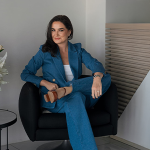
Ghada Benitez, a licensed real estate broker in California and founder of GG Benitez International, sees a similar trend among her clients. Working with top developers such as Emaar, Nakheel, SOBHA, Select Group, Aldar, Expo City, and Ellington, she estimates that 80% of her clients looking to purchase properties in the UAE are first-time buyers in the country.
On her Dubai Connect Podcast, Benitez aims to teach Americans and Europeans how to buy property in the UAE for the first time. “Coming from America and being a first-generation Arab American, the idea of quote-unquote ‘The American Dream’ That whole idea was actually based on home ownership. Unfortunately, most Americans have been priced out of the real estate market in top markets around the United States and in other countries, such as London, Singapore, Hong Kong, and other top global cities,” she said.
Benitez said many of her first-time buyers are drawn to something they can’t easily access back home: the ability to legally and profitably run short-term rentals. “[Buyers have] the ability to capitalize on short-term rentals, which is becoming more challenging in many markets globally, even in Europe and in the United States, and in Canada,” she said. On the other hand, “Dubai allows you to do it, welcomes you to do it. You’re able to manage it online and collect that beautiful money.”
However, Benitez says one question keeps coming up from first-time buyers: Is Dubai’s market overheated? In response, she points to the basics. The population has already passed 4 million and is growing by around 200,000 people a year. Demand for housing, especially villas and townhouses, is still strong and continues to outpace supply in many areas. She notes that a few pockets could move toward oversupply in the next several years, but overall, the market is being driven by real population growth and end users rather than speculation.
“ More end users coming into the market makes the market more stable and more mature. So that’s definitely a good sign for the long term,” Majithia said about the steady influx of new buyers coming into the market.
“A lot of people in the affordable segment are looking toward Dubai South,” Majithia said, noting the activity around the new airport and the amount of development underway. He added that investors are also gravitating toward waterfront communities, including Maritime City, Ras Al Khor, Dubai Marina, and Dubai Islands.
At Prime Capital, Majithia works closely to tailor to first-time buyer needs, helping them navigate financing, visas, and rental management. GG Benitez is doing something similar for her international clientele, but it all starts with exposure and education through her podcast and marketing. Right now, a billboard on the San Diego freeway says ‘Invest in Dubai’ with Benitez’s face on it. In partnership with RJ’s law firm, she helps clients handle taxes and property structuring, making it easier for American investors to step into the Dubai market.
Both Benitez and Majithia stress that first-time buyers aren’t just numbers on a spreadsheet, they’re influencing how developers design and market new projects. Developers are increasingly focused on the lifestyle, amenities, and connectivity that these buyers want, while offering payment plans that make homes accessible, Benitez said. In a report, IMAN Developers reports that flexible payment plans, like 60/40, 70/30, or even 1% per month, are making it easier for first-time and overseas buyers to step into the market. For investors, these appealing options also allow them to build a portfolio without tying up all their capital at once.
“It’s still a seller’s market in Dubai, but the influence of this new generation of buyers is impossible to ignore,” Benitez said.