BY ABDULLA LAHEJ, CHAIRMAN OF AMAAL
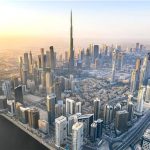
Dubai’s real estate market is increasingly becoming a hub for luxury brand extension. As global luxury houses explore new channels of growth, real estate has become a logical extension of their identity, allowing them to create lasting lifestyle touchpoints with their clientele. This is particularly evident in the rise of branded residences, where value is driven not just by location or design, but by association with a trusted identity. According to a Savills report, the number of branded residence schemes worldwide has grown by more than 160% over the past decade, underscoring a shift in both developer strategy and buyer preference. The UAE is now the third-largest market for such property worldwide, with growth projections suggesting the sector will expand by 15% by 2025.
An Expanding Market with Global Clout In 2024, over 13,000 branded units were sold in Dubai; a 43% increase from the previous year. The emirate is set to emerge as the top global luxury residential market in 2025, driven by strong demand from international buyers. This upward trend reflects how developers are capitalising on a shift in investor and buyer preferences toward brand-led, lifestyle-focused real estate.
Branded developments have evolved beyond traditional market fundamentals into a strategic model that integrates brand identity, design excellence, and investment resilience. With increasing demand from high-net-worth individuals (HNWIs), developers are partnering with luxury specialists from across industries to deliver properties that merge lifestyle appeal with long-term functionality, accelerating the segment’s integration into Dubai’s mainstream high-end real estate market.
What Makes Branded Residences So Attractive? Branded residences hold their value not only due to high construction and service standards but also because they provide a layer of trust and familiarity. For UHNWIs and HNWIs, a well-known brand represents security and quality assurance. These qualities manifest across several defining features that make such real estate a consistently attractive proposition for discerning buyers and investors alike.
Exclusivity and Prestige: These properties are specifically developed to meet the expectations of high-net-worth individuals who prioritise exclusivity, design integrity, and seamless service. Positioned in Dubai’s most desirable locations, they are typically associated with premium amenities and operational consistency. Their appeal is further enhanced by limited supply, market visibility, and a curated living experience that appeals to the next generation of HNWIs. This strata is globally drawn to developments that offer privacy, on-demand services, and a brand name that reinforces longterm value.
In Dubai, popular locations such as Palm Jumeirah, Downtown Dubai, and Business Bay are hotspots for branded homes. Beachfront locales like JBR and Pearl Jumeirah command even higher premiums due to their waterfront lifestyle.
Premium That Pays Off: Buyers are willing to pay a premium, up to 69% more per square foot compared to non-branded real estate in the same areas. While that may seem steep, brand-led developments ensure high construction standards, superior amenities, and strong rental and resale demand. According to Knight Frank, 69% of global HNWIs expressed interest in branded residences in 2024, up from 59% the previous year.
Stable Investment Returns: These properties maintain their value better than conventional real estate, especially in a city like Dubai, where the market is both international and competitive. Savills reports that this real estate can appreciate by around 20%, with ROI ranging from 6.5% to 9% depending on usage type. As brands uphold strict standards, the end product typically delivers consistent performance.
Future of Urban Living The current real estate landscape goes beyond luxury aesthetics; it’s a response to evolving lifestyle expectations. As Dubai continues to attract affluent residents and global investors, its real estate landscape is evolving in lockstep. The city is now home to over 81,200 millionaires, more than 237 centimillionaires, and 20 billionaires, a demographic that is driving sustained demand for branded, high-end living.
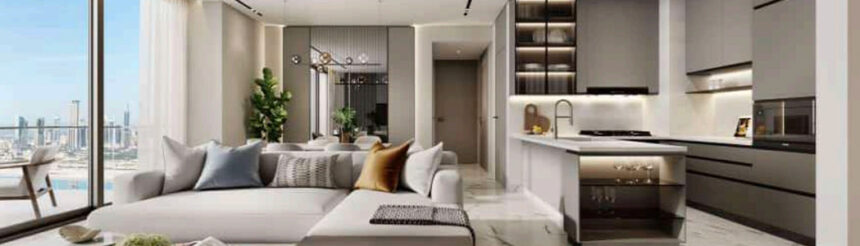
Branded developments offer fully integrated living experiences with access to spas, gyms, concierge services, and even pet care—all within the comfort of their homes, catering to UNHWIs and HNWIs buyers. They are increasingly focused on integrating cuttingedge technology, sustainability, and architectural vision. These are creating future-proof investments designed to evolve with their residents’ needs.
Beyond the brand Branded residences are evolving from static status symbols into immersive expressions of lifestyle, craftsmanship, and comfort. The movement of luxury names into property reflects a strategic response to global shifts in investor expectations, a drive to differentiate through innovation and exclusivity, and a deliberate effort to reinforce Dubai’s positioning as a global capital for luxury real estate. For developers, they offer brand equity and differentiation. For buyers, they promise lifestyle, investment stability, and unmatched service. And for cities like Dubai, they are proof that real estate can be more than property; it can be an experience.