BY SHABANA FAROOQ, MANAGING PARTNER, URBAN PROPERTIES
For decades, the UAE’s real estate market has been defined by ambition. Dubai’s towering skyline and iconic landmarks made global headlines, while Ras Al Khaimah quietly evolved as a coastal destination. These achievements, driven largely by established players, shaped how the world viewed property in the Emirates. Yet today, a new chapter is unfolding, one led by a generation of developers introducing fresh concepts, new lifestyles, and innovative communities.
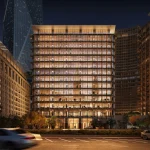
In Dubai, the shift is particularly striking. The city is moving beyond its obsession with scale and spectacle, and instead focusing on livability and design. Rather than building the tallest tower or the flashiest landmark, many new projects emphasize boutique residential buildings and community focused neighborhoods. Mid-rise developments with modern layouts, generous balconies, rooftop gyms, co-working spaces, and landscaped terraces are becoming increasingly common. These projects aim to create environments where people can live, work, and socialize seamlessly, reflecting the needs of a diverse and modern population.
Family oriented communities are also evolving. Contemporary housing clusters are being designed with shared green courtyards, pedestrian friendly streets, and integrated retail areas that support day-to-day life. These communities are about more than just property ownership, they are about fostering connection, convenience, and lifestyle. The rise of such developments signals a maturing market, one that looks beyond luxury for luxury’s sake and responds to what residents truly value.
Sustainability is another driving force in Dubai’s transformation. Inspired by the city’s long term master plans, new projects are weaving energy efficient designs, smart home systems, and eco-friendly infrastructure into their DNA. Features like cycling tracks, walking trails, community gardens, and wellness zones are no longer seen as luxuries, they are increasingly standard. For buyers and tenants, these elements signal a better quality of life and a commitment to the future.
Technology is playing its part as well. Digital first sales platforms, virtual tours, and streamlined contract processes have become hallmarks of the new wave of development. This has not only made transactions more transparent but has also opened the market to international investors who can now purchase remotely with confidence. In a city as global as Dubai, this digital leap is critical.
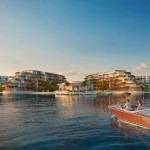
While Dubai continues to diversify, Ras Al Khaimah is emerging as a strong contender in the UAE’s real estate story, with Al Marjan Island at its center. The island, stretching gracefully into the Arabian Gulf, has rapidly transformed from a quiet waterfront escape into a magnet for investment and lifestyle living. Al Marjan Island is seeing a surge of projects that combine residential, hospitality, and leisure in ways designed to appeal to both end users and investors. New residential buildings with sea facing terraces, integrated retail, and resort style amenities are redefining the emirate’s property landscape. What sets Al Marjan apart is its balance: it offers a slower, more relaxed pace of life while still delivering the luxury and modernity that buyers expect from the UAE.
The island’s design philosophy reflects a clear focus on lifestyle. Properties emphasize outdoor living, wellness, and connectivity, features like landscaped promenades, beach clubs, and community hubs are integral, not optional. For many, Al Marjan Island represents the dream of resort style living made accessible. It also holds significant potential as Ras Al Khaimah positions itself as a tourism driven economy, supported by a pipeline of hospitality and entertainment projects.
As Dubai’s property prices climb, Al Marjan Island is attracting attention from those looking for both value and long-term growth. Its emergence demonstrates how new destinations in the UAE are rising to complement established hubs, offering fresh choices for investors and residents alike.
What unites both Dubai and Ras Al Khaimah is the role of new developers in driving this change. They are more agile, more responsive to lifestyle trends, and more attuned to the aspirations of a wider audience. Their projects prioritize design, community, and sustainability, reshaping the market into one that is more inclusive and forward looking.
The UAE’s next chapter in real estate will not be defined solely by record breaking towers or high profile megaprojects. Instead, it will be written in Dubai’s boutique buildings and lifestyle communities, and Ras Al Khaimah’s emerging waterfront retreats. Together, they showcase a shift from building icons to building experiences, spaces that reflect how people want to live today, and how they will live tomorrow.
The message is clear: the future of UAE real estate lies not only in ambition and scale, but in livability, sustainability, and lifestyle. And in Dubai and Ras Al Khaimah, that future is already taking shape.