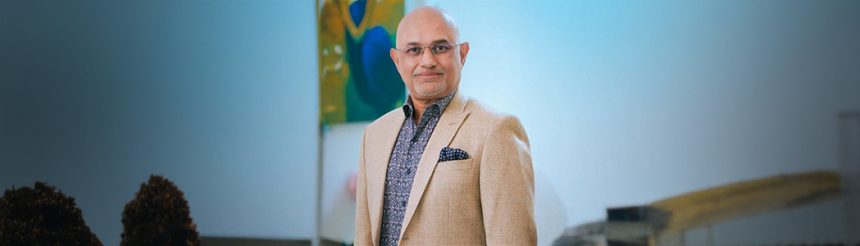
BY PROF. JEEVAN D’MELLO GDARCH, CMCA, AMS, LSM, PCAM, D. LITT CEO, ZENESIS CONSULTING, BOARD MEMBER – COMMUNITY ASSOCIATIONS INSTITUTE
Dubai’s community landscape is evolving from “well-built” to “well-lived”. In a city defined by global diversity and local heritage, the differentiator is increasingly cultural identity, inclusive living, and placemaking that creates belonging. This direction becomes even more relevant as the UAE moves toward 2026, declared the Year of the Family, reinforcing the national view that strong families are a cornerstone of a resilient society.
Cultural identity in a global city
Dubai has mastered international appeal, but the next level of city-making is ensuring communities feel rooted, not generic. Cultural identity is communicated through design language, public realm, local narratives, and the way shared spaces invite people to connect. Dubai’s cultural strategy has explicitly emphasized making culture and creativity accessible, while preserving national heritage.
At a practical level, “identity” shows up in details: architecture, landscape cues, the language of public spaces, and the cultural programming that gives residents reasons to gather. The aim is not to make every community a heritage district, but to ensure each place has a recognisable character and a story residents can belong to.
Inclusivity that works for families
Diversity is a demographic fact in Dubai. Inclusivity is an operating choice.
The Year of the Family theme raises the bar: inclusive communities must work across generations and life stages, not only across nationalities. In practice, that means safe walkability, shaded social spaces, accessible design for seniors and people of determination, and programming that supports children, parents, and extended family life. The wider national agenda also frames family wellbeing as a long-term national priority, structured through policy and behavioural pathways.
Placemaking, supported by government-led infrastructure for participation
Dubai’s placemaking agenda is increasingly visible through government initiatives that build community cohesion and participation:
• MyDubai Communities, launched by His Highness Sheikh Hamdan bin Mohammed bin Rashid Al Maktoum, Crown Prince of Dubai, Deputy Prime Minister and Minister of Defence of the UAE, and Chairman of The Executive Council of Dubai, is a citywide platform designed to help residents discover and join interest-based communities, strengthening social ties across the emirate.
• Dubai Municipality’s plan to build five community neighbourhood councils, with design that respects Emirati heritage, creates physical “anchors” for neighbourhood dialogue and local gatherings.
• Dubai Culture’s Dubai Public Art initiative and public art strategy
• explicitly aim to transform streets and neighbourhoods into cultural destinations through accessible art in public spaces.
• Dubai’s newly approved ‘Architectural Identity’ for road projects reinforces the idea that the public realm itself should carry coherent identity and character, not just utility.
Together, these initiatives signal a consistent direction: community cohesion is being designed into both the “software” (participation, culture, connection) and the “hardware” (civic facilities, public realm, visual identity).
Why it matters for developers and real estate managers
Placemaking is not decoration. In Dubai’s competitive residential market, belonging becomes a value driver: stronger attachment, better resident experience, lower friction, and a community brand people advocate for.
In the Year of the Family context, the winning communities will be those that make family life easier and richer: safe, inclusive, walkable, culturally alive, and socially connected.